
Leading Products for Lawn Drain Installations to Ensure Proper Drainage
Explore top-rated tools and materials designed to simplify your lawn drain setup and improve yard drainage efficiency.
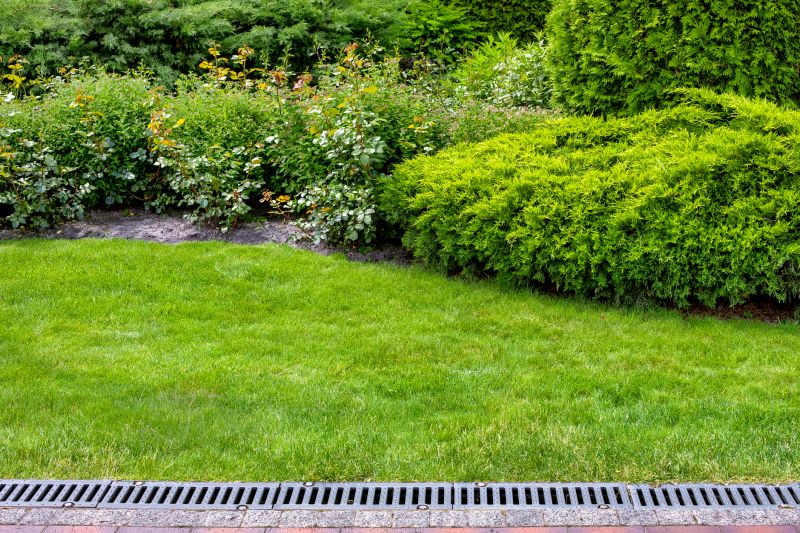 Lawn drainage systems are essential for managing excess water that can accumulate in yards, causing issues such as soil erosion, damage to landscaping, and standing water that attracts pests. Installing a well-designed drainage solution involves selecting the right products that efficiently channel water away from problem areas. These products range from various types of drains and fittings to gravel beds and protective covers, each serving a specific purpose in creating an effective drainage network.
Top Overall Option
Perforated Drain Pipe System
A perforated drain pipe system is a versatile choice for underground drainage, allowing water to enter through small holes while providing structural support. Paired with gravel and filter fabric, it creates an efficient pathway for excess water to flow away from problem areas. This type of system is adaptable to various yard sizes and landscapes, making it a popular choice among professionals and DIY enthusiasts alike.
Types of Products For Lawn Drains Installations
Perforated Drain Pipes
Flexible or rigid pipes with small perforations designed to channel water underground.
Catch Basins
Surface-level containers that collect runoff and direct water into the drainage system.
Drain Grates
Protective covers that allow water entry while preventing debris from clogging the system.
Filter Fabric
Heavy-duty fabric that surrounds the drainage pipes to prevent soil and debris from clogging the system.
Flexible Corrugated Pipes
Durable pipes that easily bend around landscape features, suitable for complex drainage layouts.
Outlet Pipes
Pipes that direct water from the drainage system to an appropriate discharge area.
Gravel and Crushed Stone
Materials used to surround drainage pipes, promoting water flow and filtration.
Surface Drainage Channels
Channels installed on the surface to guide water away from specific areas.
Flexible Drainage Channels
Adjustable channels that can be shaped to fit specific yard contours.
Inlet Grates
Grates that cover inlet points to prevent debris entry while allowing water flow.
Subsurface Drainage Systems
Underground networks that manage water flow beneath the surface.
Rainwater Harvesting Systems
Systems designed to collect and redirect rainwater efficiently.
Flexible Pipe Connectors
Connectors that join different pipe sections securely and easily.
Drainage Manholes
Access points for maintenance and inspection of underground drainage.
Slope Adjustment Fittings
Fittings that help maintain proper drainage slopes during installation.
Popular Choices
Widely used for underground drainage, adaptable to many yard layouts.
Commonly installed at low points to collect surface runoff efficiently.
Popular for covering surface drains and preventing debris entry.
Essential for preventing clogging in underground drainage systems.
Favored for their flexibility and ease of installation around landscape features.
Important for directing water safely away from the yard.
Commonly used to backfill around pipes and improve drainage.
Popular for directing water along specific pathways or driveways.
Frequently chosen to cover inlet points and keep debris out.
Selected for managing water flow beneath the yard surface.
Trending for managing large volumes of rainwater effectively.
Popular for creating secure joins in complex drainage layouts.
Frequently installed for access and maintenance of underground systems.
Helpful for ensuring proper water flow during installation.
Choosing the appropriate products for lawn drain installation requires understanding the landscape, water flow patterns, and the specific drainage challenges faced. Proper installation ensures that water is directed safely and effectively, minimizing potential damage to lawns and foundations. It is important to consider the compatibility of different components, ease of installation, durability, and maintenance needs when selecting products.
A comprehensive approach involves combining multiple product types such as perforated pipes, catch basins, filter fabrics, and outlet solutions. This layered strategy helps prevent clogging, promotes efficient water flow, and prolongs the lifespan of the drainage system. Whether installing a simple surface drain or a complex underground network, selecting high-quality, versatile products is key to achieving reliable results.
Investing in the right products for lawn drain installation can significantly improve yard functionality and aesthetics. Properly installed drainage solutions help keep lawns dry, prevent water pooling, and protect structures from water damage. By understanding the available product options and considerations, homeowners and landscapers can create effective, long-lasting drainage systems tailored to their specific needs.
Key Buying Considerations
- Determine the primary purpose of the drainage system, whether surface or underground water management.
- Assess the size and slope of the area to select appropriately sized pipes and components.
- Consider the type of soil and its permeability to choose suitable drainage materials.
- Check for compatibility between different product types and fittings for seamless installation.
- Evaluate the durability and material quality to ensure long-term performance.
- Ease of installation is important; look for products that are user-friendly for DIY projects.
- Maintenance requirements should be manageable with accessible components like manholes or removable grates.
- Ensure that outlet points direct water to appropriate discharge areas, away from structures.
- Select products with adequate filtration features to prevent clogging from debris and soil.
- Consider the local climate and rainfall patterns to size the system accordingly.
- Review product dimensions and specifications to match your yard's layout.
- Opt for versatile components that can be adapted or expanded as needed.
- Check for availability of replacement parts and accessories for future maintenance.
- Evaluate the overall cost-effectiveness, balancing quality and budget constraints.
- Look for products with good reviews or recommendations from professionals or experienced users.