Get Sump Pump Installation
Sump pump installation services help property owners prevent basement flooding and water damage by installing reliable pumps in various drainage and waterproofing projects.
Property owners in the area considering sump pump installation often seek reliable solutions to protect their homes from flooding and water damage. Properly installed sump pumps can be an essential part of a comprehensive drainage system, helping to manage excess groundwater and keep basements dry during heavy rains or wet seasons. Exploring local contractors who specialize in sump pump services ensures that projects are planned with knowledge of the area's specific conditions and requirements.
Comparing options among local service providers allows property owners to find experienced professionals capable of handling various installation needs. Whether upgrading an existing system or installing a new sump pump, working with qualified contractors can provide peace of mind that the job is done correctly and efficiently. Keep reading to learn more about how local experts can support your property’s drainage and protection needs.
- Sump Pump Installation - needed when installing a new sump pump to protect a basement from flooding.
- Sump Pump Replacement - required when an existing sump pump has failed or is no longer effective.
- Sump Pump Repair - necessary when a sump pump is malfunctioning or making unusual noises.
- Sump Pump Maintenance - recommended for homeowners looking to ensure their sump pump operates reliably during heavy rains.
- Sump Pump System Upgrades - suitable for those wanting to improve their current system with more efficient or higher-capacity options.
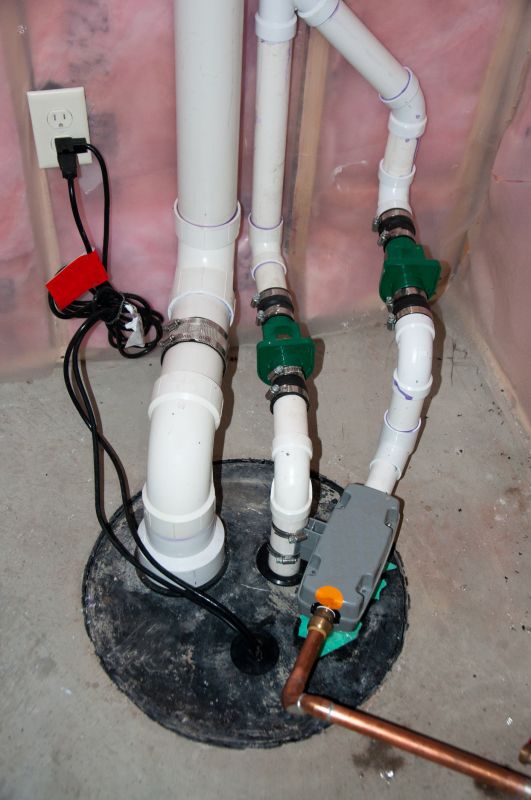
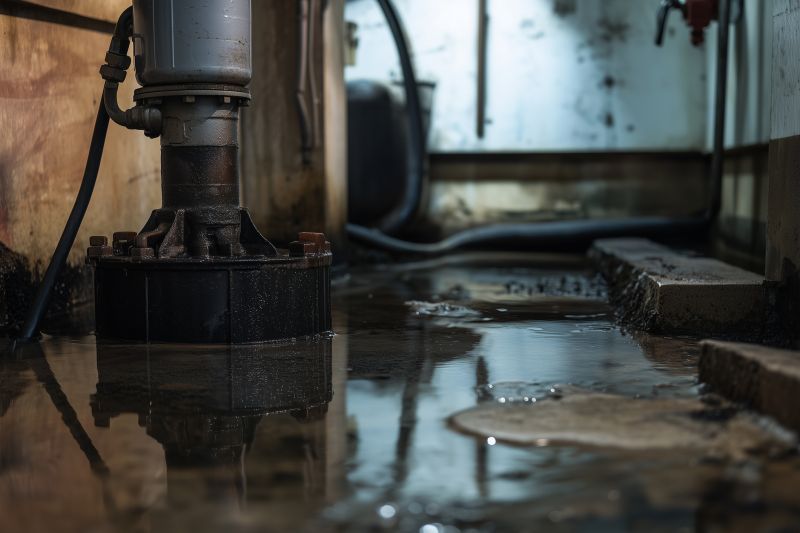
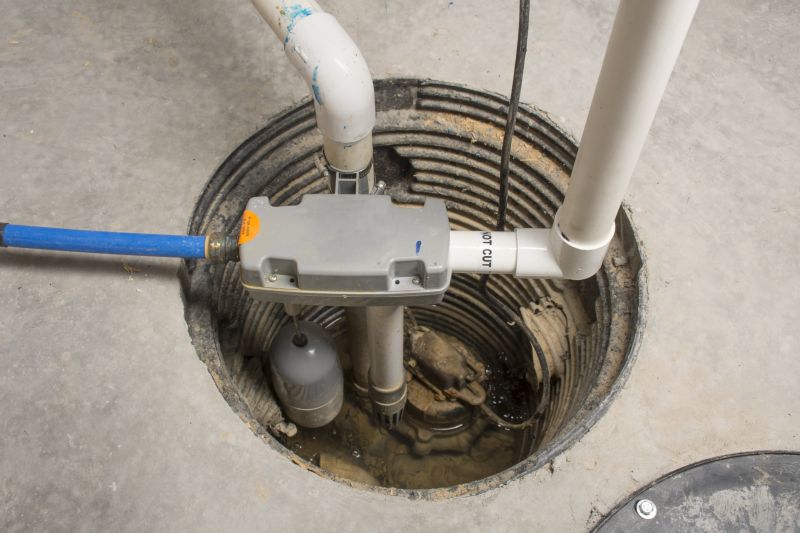
Sump pump installation services involve setting up a device designed to remove excess water from a basement or crawl space area. This process typically includes assessing the property’s specific needs, choosing an appropriate sump pump model, and installing it in a strategic location to ensure effective water management. Professional contractors handle the entire installation, ensuring the pump is properly wired and connected to a drainage system to prevent flooding and water accumulation. Proper installation is crucial for the sump pump to operate reliably and provide long-term protection against water damage.
These services are especially valuable for properties prone to basement flooding, high water tables, or areas with poor drainage. A sump pump helps prevent water from seeping into living spaces, which can cause structural damage, mold growth, and costly repairs. Homeowners who have experienced previous flooding issues or live in regions with heavy rainfall often turn to sump pump installation as a proactive measure. It is also a common solution for properties with unfinished basements or crawl spaces that require additional protection from groundwater intrusion.
Sump pump installation is suitable for a variety of property types, including single-family homes, multi-family residences, and small commercial buildings. Homes situated in flood-prone zones or with basements that tend to stay damp are prime candidates for this service. Additionally, properties with existing sump pumps that need upgrading or replacement can benefit from professional installation services. By installing a sump pump, property owners can better safeguard their investment and maintain a dry, healthy living environment.
When considering sump pump installation, it’s important for homeowners to understand the signs indicating a need for this service. These include frequent basement flooding, persistent dampness, or water pooling during heavy rains. Consulting with experienced local contractors can help determine the right type and size of sump pump for the property’s specific conditions. Professional installation ensures the system works efficiently, providing peace of mind that the property is protected against water-related issues.
The overview below groups typical Sump Pump Installation projects into broad ranges so you can see how smaller, mid-sized, and larger jobs often compare in your area.
In many markets, a large share of routine jobs stays in the lower and middle ranges, while only a smaller percentage of projects moves into the highest bands when the work is more complex or site conditions are harder than average.
Smaller Repairs - minor fixes or upgrades typically cost between $250 and $600, covering tasks like replacing a sump pump or sealing minor leaks. Many routine repairs fall within this range, making them an affordable option for quick fixes.
Full Replacement - installing a new sump pump system usually ranges from $1,000 to $3,000, depending on the system type and installation complexity. Larger, more involved projects can reach $4,000 or more, though most fall into the mid-range.
Complex Installations - custom or advanced sump pump systems, including additional drainage work, can cost between $3,000 and $5,000+. These projects are less common but are necessary for homes with challenging drainage issues.
Maintenance and Upgrades - routine service or upgrades generally cost $100 to $300, with many homeowners opting for regular check-ups to ensure optimal performance. Larger upgrades or extensive maintenance can push costs higher but are less frequent.
Actual totals will depend on details like access to the work area, the scope of the project, and the materials selected, so use these as general starting points rather than exact figures.
Drainage System Installation - local contractors who install comprehensive drainage solutions often have skills similar to sump pump installation, including grading, piping, and site planning.
Basement Waterproofing - waterproofing projects require knowledge of moisture control and foundation sealing, which complements sump pump setup to protect basements from flooding.
Foundation Repair - foundation stabilization and repair work involves understanding soil conditions and water management, aligning with the expertise needed for sump pump systems.
Grading and Landscaping - proper grading to direct water away from structures is related to sump pump installation, as both focus on effective water diversion.
Waterproofing Wall Systems - applying waterproof coatings and sealants on basement walls shares techniques used in sump pump installation to prevent water intrusion.
Drain Tile System Installation - installing drain tile systems involves underground piping and water management skills necessary for effective sump pump operation.
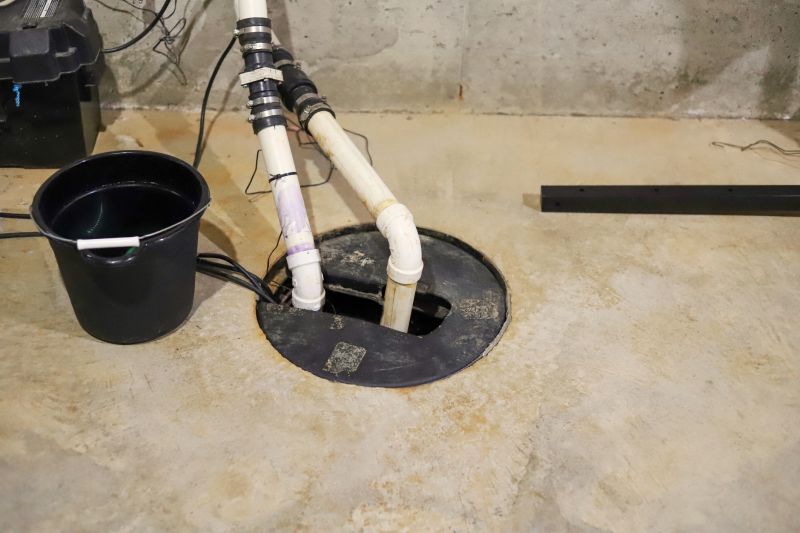
When evaluating local contractors for sump pump installation, it’s important to consider their experience with similar projects. Homeowners should look for service providers who have a proven track record of handling sump pump installations in settings comparable to their own homes. This can help ensure that the contractor understands the specific challenges associated with different types of properties and can recommend solutions tailored to the home's foundation, basement layout, and water management needs. Asking about previous work or requesting examples of completed projects can provide insight into the contractor’s familiarity with the scope and requirements of sump pump installations.
Clear, written expectations are essential to a smooth project. Homeowners should seek service providers who can provide detailed, written descriptions of the work scope, including the materials to be used, the installation process, and any warranties or guarantees offered. Having this information in writing helps prevent misunderstandings and ensures that both parties are aligned on what the project entails. Reputable local contractors will often be transparent about their processes and willing to discuss the specifics to help homeowners feel confident about the work plan.
Good communication and reputable references are key indicators of a dependable service provider. Homeowners are encouraged to ask for references from previous clients who had similar work done and to follow up with those references to learn about their experiences. Additionally, service providers who communicate clearly and promptly during the inquiry process are more likely to maintain a professional relationship throughout the project. While the site introduces homeowners to local options, it’s important to remember that the actual work will be handled by trusted local contractors, making thorough research and comparison a valuable step in selecting the right professional for sump pump installation.
Property owners use Sump Pump Installation services for practical projects around their homes and businesses. This guide focuses on everyday jobs and straightforward project options.
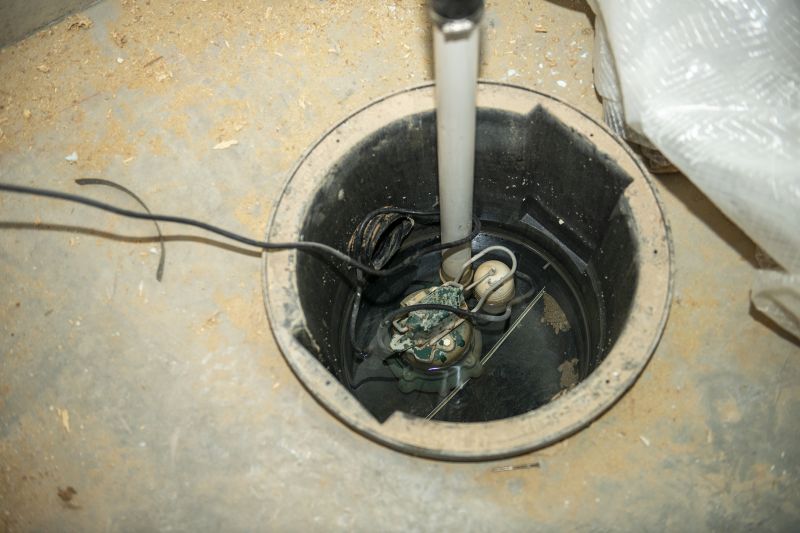
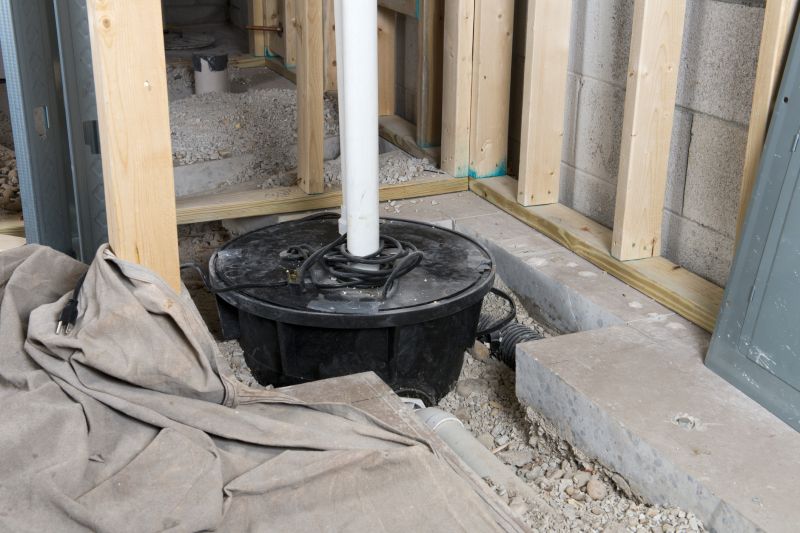
Sump pump installation services are often sought by property owners dealing with basement flooding or persistent water accumulation during heavy rains. Residents may notice water seeping into their basements or crawl spaces, leading them to consider a sump pump as a reliable way to protect their property. Local contractors can evaluate the specific needs of a home and recommend appropriate sump pump systems to help prevent water damage and maintain a dry, safe living environment.
Additionally, property owners who have experienced previous flooding or have areas prone to excess moisture might look for sump pump installation as a preventative measure. Whether upgrading an existing system or installing a new one, local service providers can assist with selecting and installing the right equipment to ensure effective water management. These professionals are equipped to handle projects of varying sizes, offering solutions tailored to the unique conditions of each property.
What is a sump pump and why is it important? A sump pump is a device that helps remove excess water from a basement or crawl space, preventing flooding and water damage. Local contractors can install a sump pump to protect your property during heavy rains or groundwater infiltration.
How do I know if I need a sump pump installed? Signs that a sump pump may be necessary include frequent flooding, damp or moldy basement areas, or high groundwater levels. Service providers can assess your property to determine if a sump pump is recommended.
What types of sump pumps are available? There are various types, including pedestal, submersible, and battery-backed models. Local pros can help select the right sump pump based on your specific needs and property conditions.
What is involved in installing a sump pump? Installation typically includes digging a sump pit, connecting the pump to a discharge pipe, and ensuring proper wiring. Experienced service providers handle the installation to ensure it functions correctly and reliably.
Can a sump pump be integrated with a home drainage system? Yes, sump pumps can be connected to existing drainage or sump systems to enhance water removal. Local contractors can evaluate your setup and recommend integration options if suitable.
Prevent Basement Flooding - Installing a sump pump can help protect a basement from water damage during heavy rains or snowmelt.
Protect Foundation Integrity - Proper sump pump installation can reduce soil pressure around a property’s foundation, minimizing the risk of cracks.
Manage Groundwater Levels - Sump pumps assist in controlling excess groundwater around a property, maintaining a dry and stable environment.
Improve Drainage Systems - Incorporating a sump pump into existing drainage plans can enhance overall water management efforts for a property.
If you are thinking about Sump Pump Installation for a property, this guide is meant to help you understand the work, the typical project types, and how different options might fit your plans.
When you are ready, you can use the quote form on this page to share a few details about your project. From there, local pros can review the basics and respond with options that match what you have in mind.